What is Birding, Anyway?
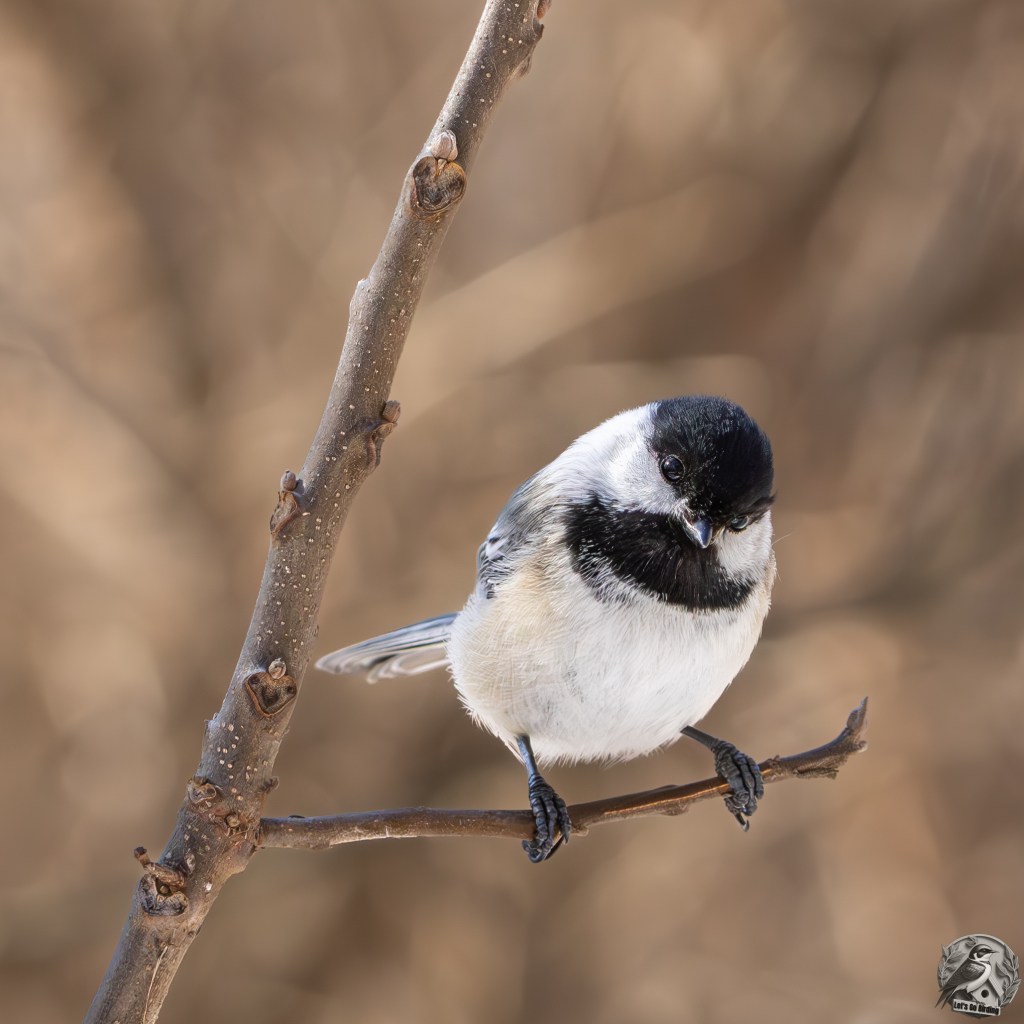
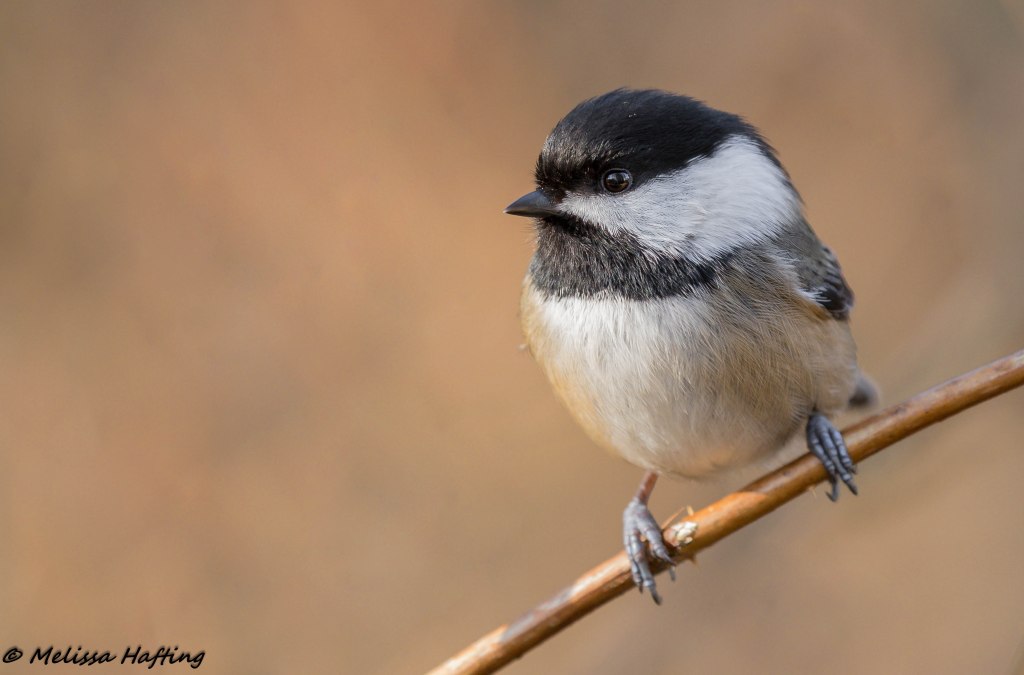
Aside from studying birds for science, birding (or birdwatching) is a rewarding way to connect with nature. At its core, birding is the act of observing and identifying birds through sight or sound. And the best part? You can go birding anywhere! Whether you’re watching chickadees in your backyard, strolling a quiet nature trail, or spotting pigeons in the heart of New York City. Birding turns everyday moments into mini adventures. It’s no wonder birding is one of the fastest-growing outdoor hobbies.
Binoculars, Apps & Curiosity
So, you’re ready to head out into the world of birding, but now you’re wondering, “What do I actually need to get started?” The great thing about birding is how easy it is to start. You don’t need fancy gear or expert skills. Just step outside with a bit of curiosity, and you’re already on your way. Still, a few basic tools can make the experience even more enjoyable by helping you spot and identify birds more easily.
Binoculars
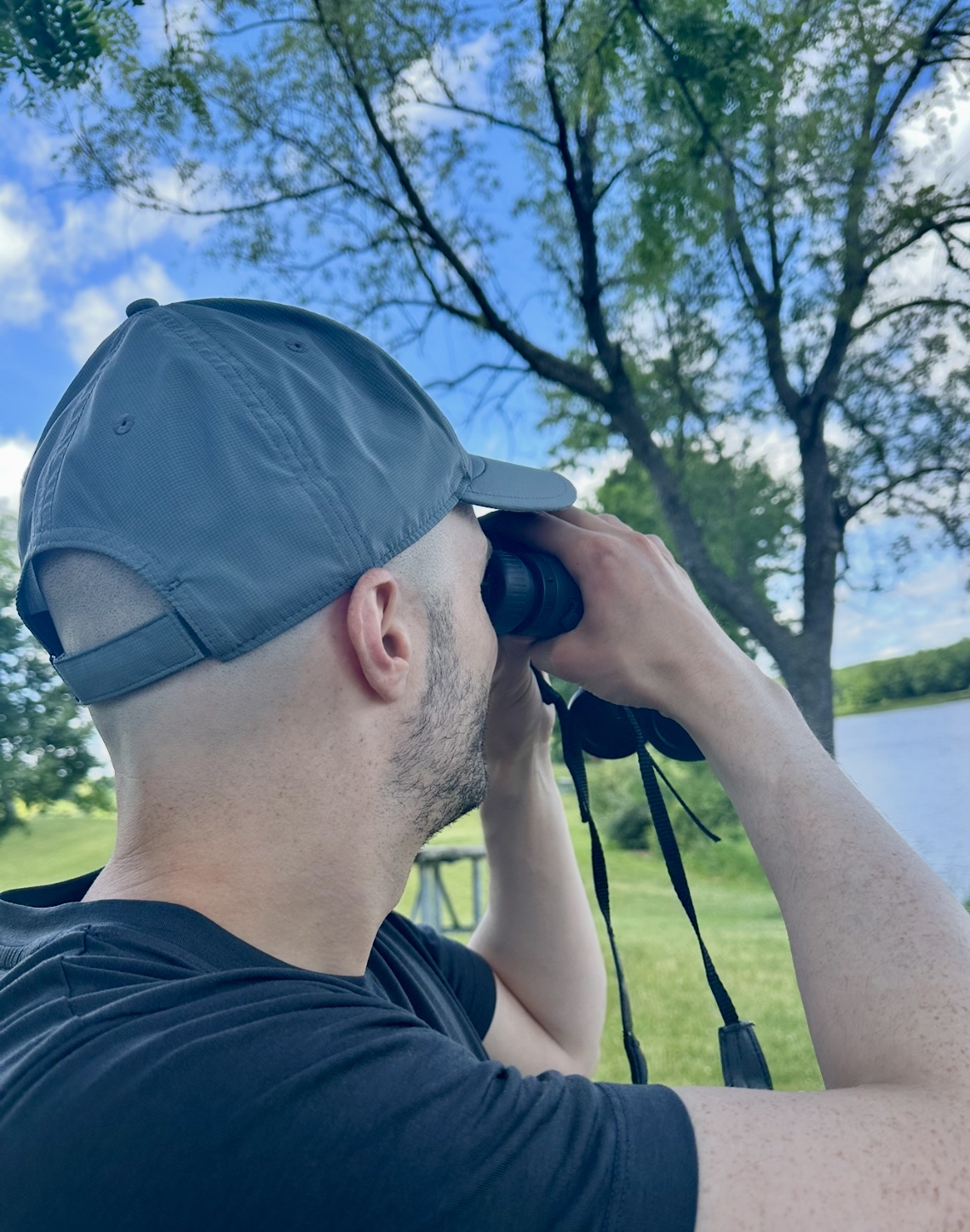
Choosing the right pair of binoculars is a personal decision, but there are some helpful guidelines that can point you in the right direction. If you’ll be birding primarily in wooded areas, I recommend an 8×32 pair. The wider field of view makes it easier to follow birds as they flit from branch to branch. On the other hand, if you’re mostly observing birds in open fields or along shorelines, a 10×32 pair may be a better fit. The higher magnification and larger objective lens gather more light, helping you see distant birds in greater detail. Just keep in mind, the higher the magnification, the more noticeable any hand shake will be. This is why spotting scopes are often used with tripods.
Cameras
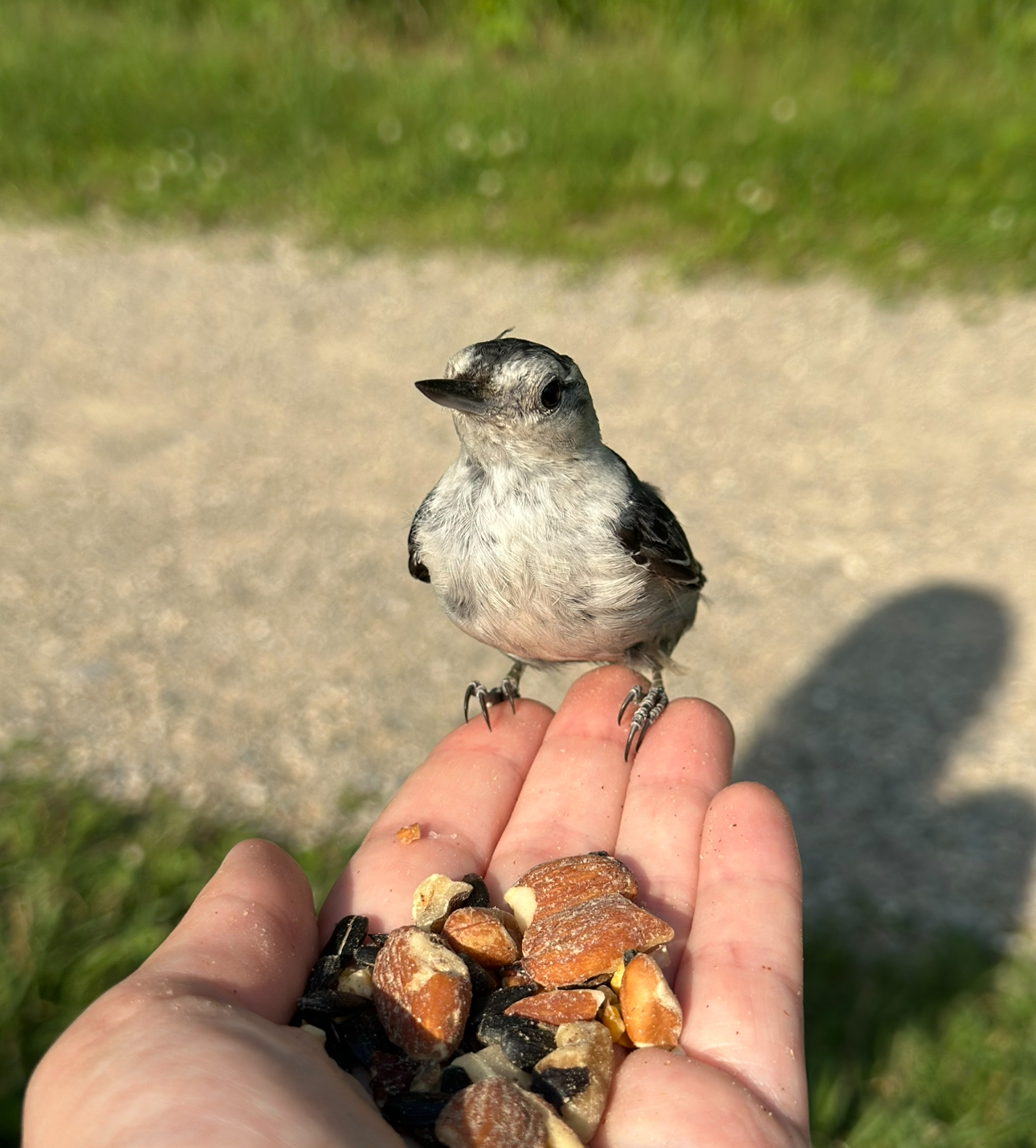
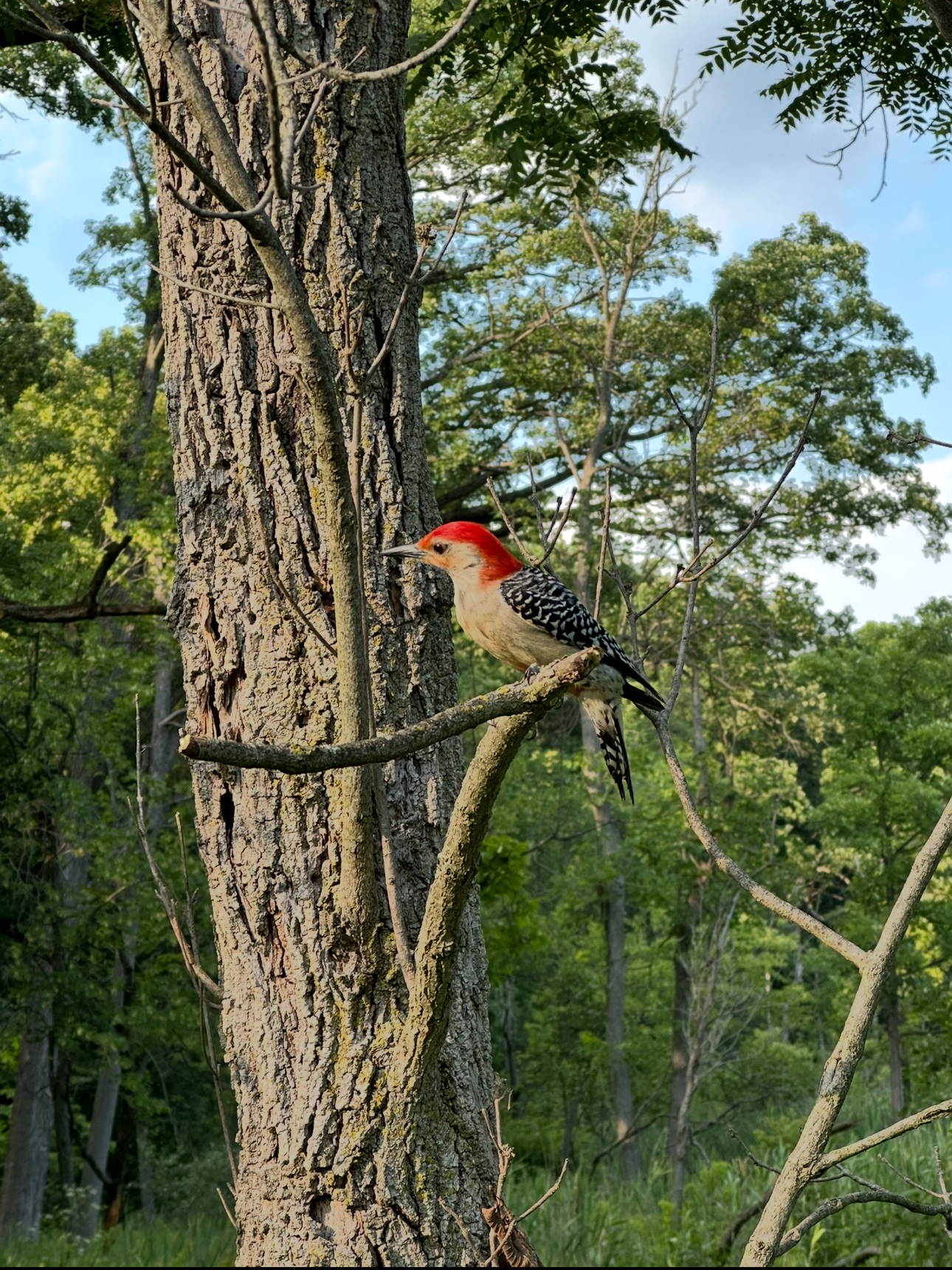
Some birders prefer to bring along a camera as an alternative to binoculars or in addition to them. While completely optional, a camera can be a great way to capture memorable moments. Even a smartphone can do the trick if you’re just looking to snap a quick photo. For those more passionate about bird photography, a camera with a quality telephoto lens is ideal for capturing sharp, detailed images. But if you’re just starting out, there’s no need for fancy gear. A smartphone or a basic point-and-shoot camera works just fine. In fact, many of the photos featured on this website were taken with a combination of an iPhone and a well-worn Fujifilm FinePix digital camera.
Merlin Bird ID App
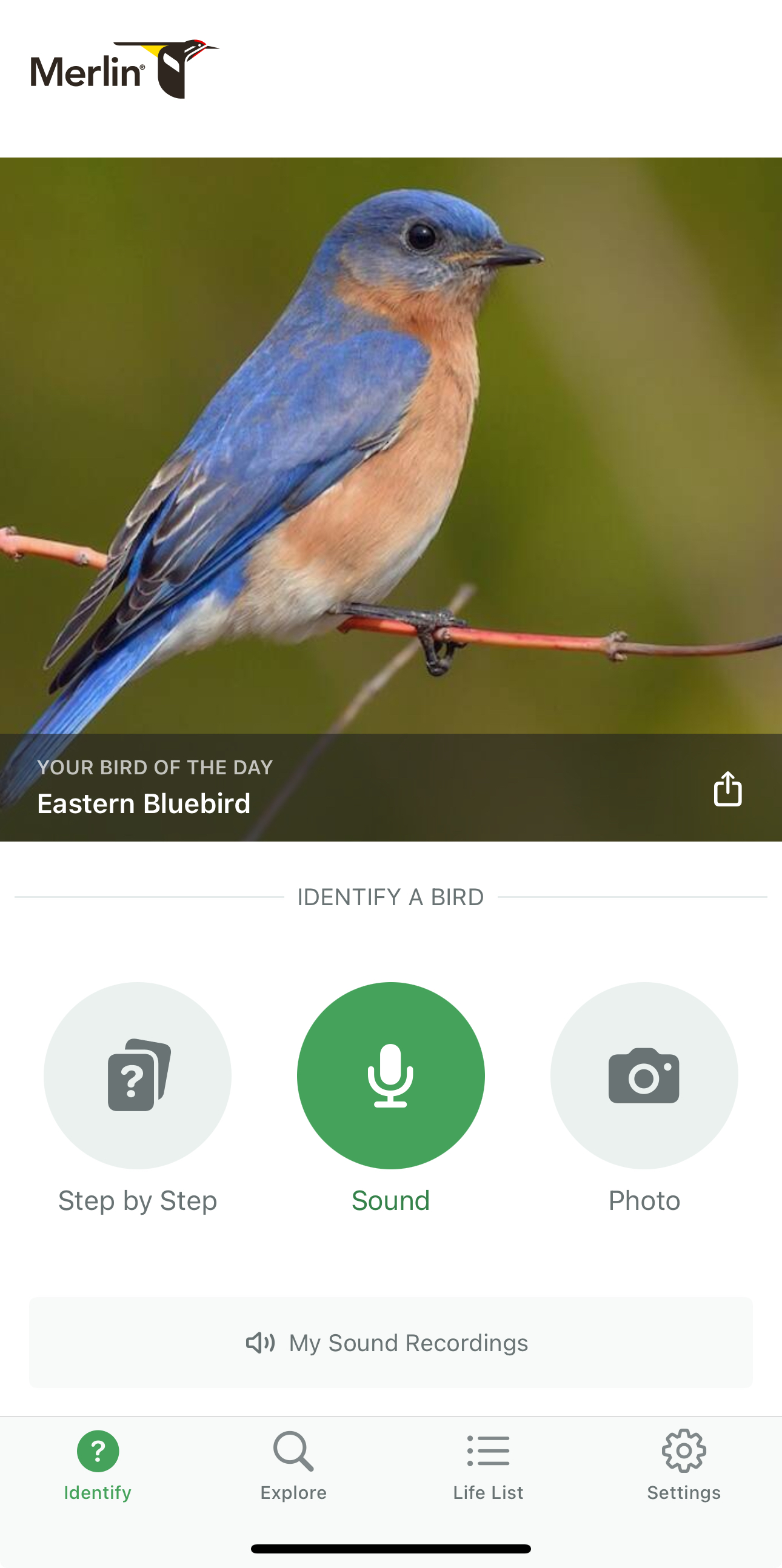
Gone are the days of hauling around bulky field guides and frantically flipping through pages to identify birds. Instead, download the free Merlin Bird ID app to your smartphone and let it serve as your virtual field guide. With Merlin, you can identify birds by photo or sound, build and track your life list, and even use bird calls to attract curious feathered visitors for a closer look. Nathan from nbp Tech Insights describes Merlin as a perfect entry point into birding, comparing the thrill of discovering new species and logging them into a real life version of Pokémon Go!
ebird app
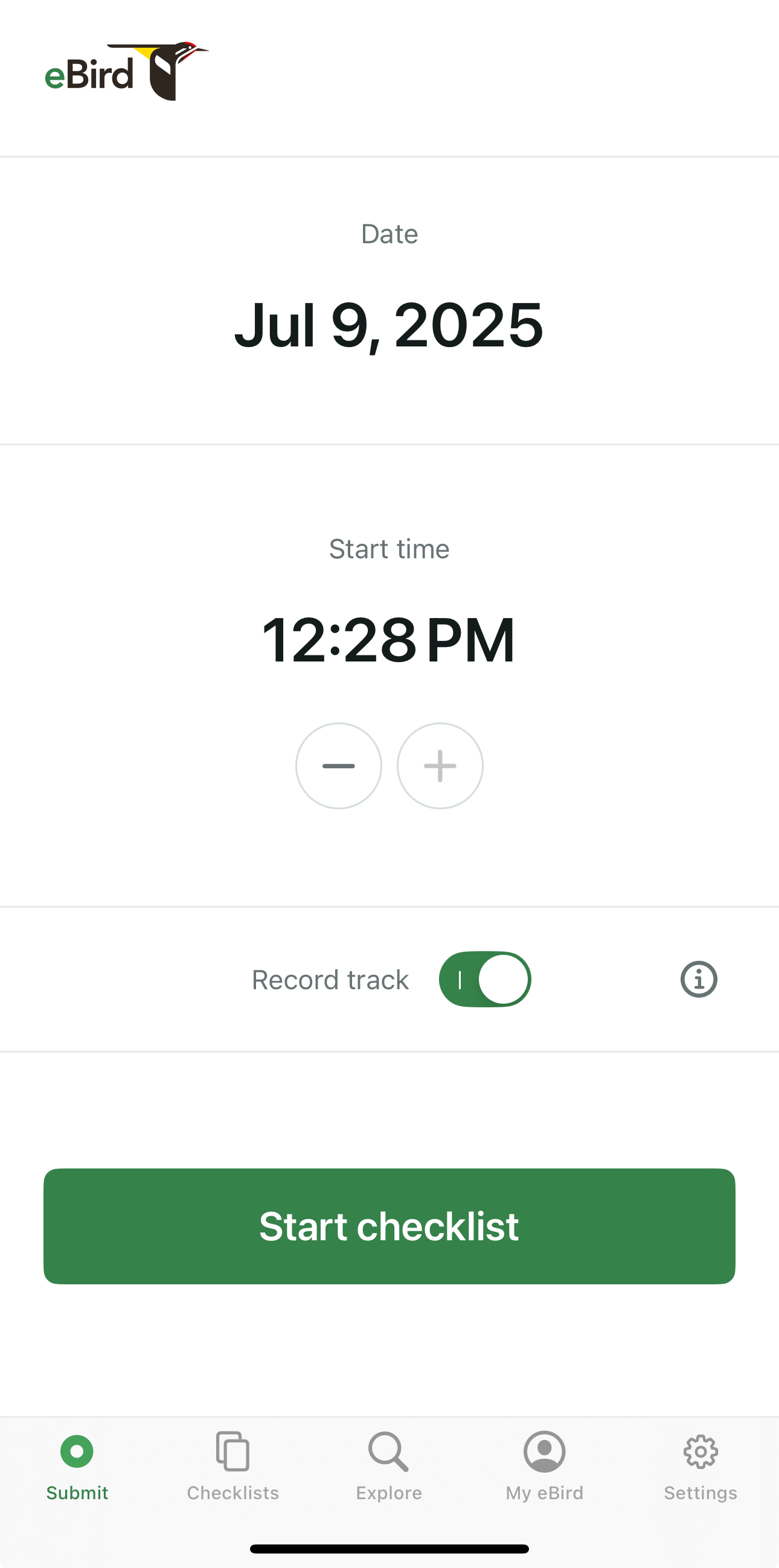
The free eBird app is a tool for birders to find popular birding locations and create checklists of their bird sightings. The purpose of the checklists are to record the birds observed during an outing. Both eBird and Merlin are developed by the Cornell Lab of Ornithology, but they serve different purposes. Merlin focuses on helping users identify birds through photos and sounds, while eBird is designed to support bird conservation and research by collecting and sharing data from birders around the world.
Curiosity
Birding is a slow “sport” so its important you pack your patience because birds don’t perform on cue, and even if you’re in the right place at the right time, there’s no guarantee you’ll spot that one species you were hoping to add to your life list. If you remain curious, take your time, and steadily observe your surroundings you’ll start to notice the hidden life all around you. And just like that, you’ve begun to unlock the world of birds. So what are you waiting for? Step outside, look up, and let the adventure begin.
 Modern Birder Collective
Leave a comment